Physical Address
304 North Cardinal St.
Dorchester Center, MA 02124
Physical Address
304 North Cardinal St.
Dorchester Center, MA 02124
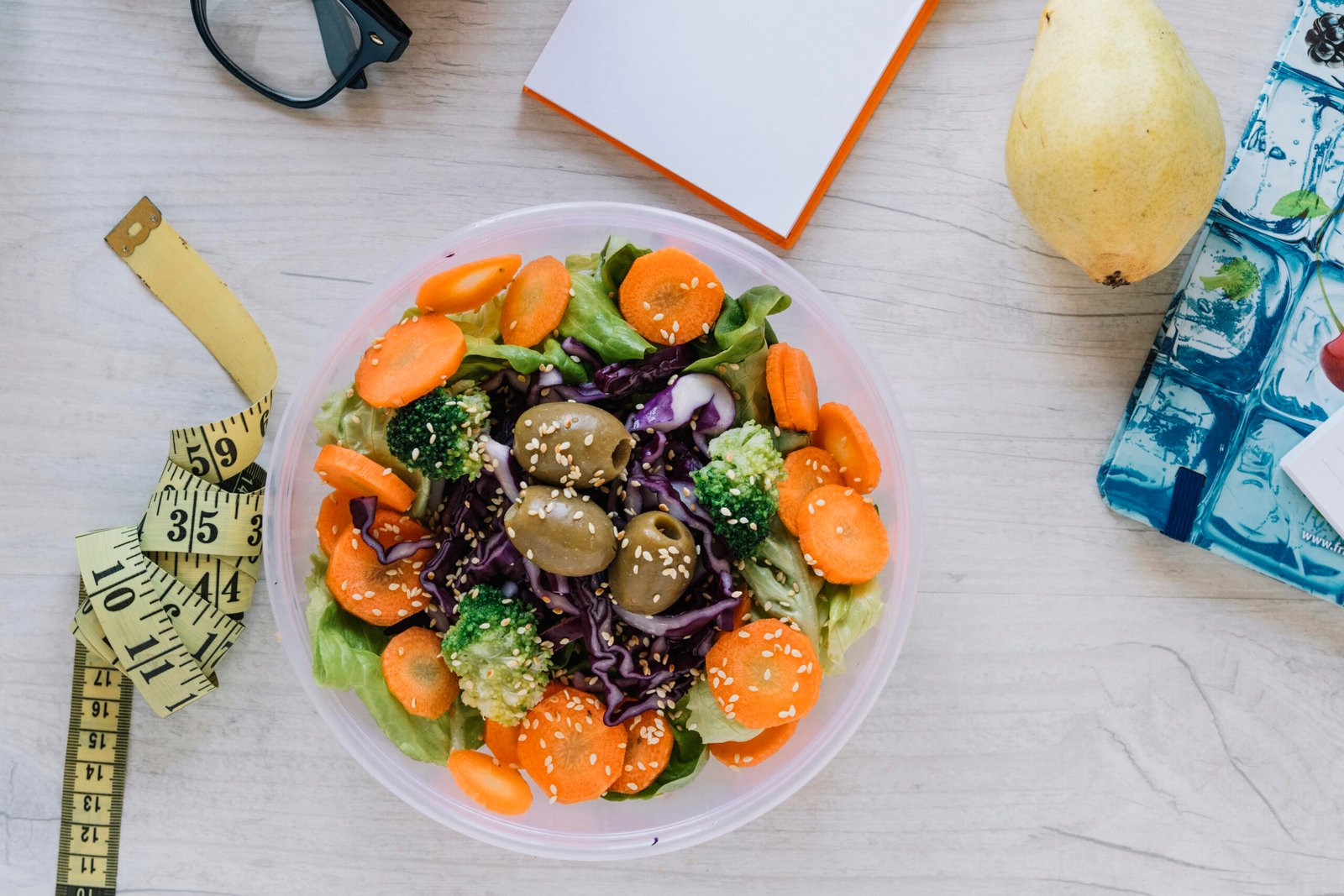
“Easy Weight Loss Diet UK” Many people in the United Kingdom search for a simple and healthy way to lose weight without following strict or expensive meal plans. An easy weight loss diet UK approach focuses on balanced eating, portion control, and healthy lifestyle habits. Instead of starving yourself, the goal is to eat nutritious foods that keep you full and energized. A proper diet can improve physical health, mental well-being, sleep quality, and confidence. In the UK, many supermarkets offer affordable healthy food choices, making weight loss easier for beginners and families who want sustainable results over time.
Losing weight slowly and safely is better than trying quick-fix diets. Rapid weight loss plans often fail because they are difficult to maintain. A healthy weight loss diet helps reduce the risk of heart disease, diabetes, high blood pressure, and joint problems. In the UK, obesity has become a common health concern among adults and children. Following an easy diet plan with regular exercise can improve overall health. Healthy eating also supports better digestion, stronger immunity, and improved mood. Small changes such as reducing sugary drinks and eating more vegetables can make a huge difference over several months.
The foundation of an easy weight loss diet UK plan is balance. Your meals should include protein, healthy fats, fiber, and complex carbohydrates. Avoid processed foods that contain too much sugar, salt, and unhealthy fats. Drinking enough water is also important because hydration supports metabolism and digestion. Eating regular meals prevents overeating later in the day. Another helpful habit is mindful eating, where you pay attention to hunger and fullness signals. Healthy weight loss does not require skipping meals. Instead, focus on making better food choices and controlling portion sizes consistently every day.
Some foods are especially useful for healthy weight management. Oats, eggs, fish, chicken, brown rice, yogurt, beans, lentils, fruits, and vegetables are excellent choices. In the UK, people can easily buy healthy ingredients from supermarkets like Tesco, Aldi, and Sainsbury’s. Foods high in fiber help you stay full for longer, reducing unhealthy snacking. Protein-rich foods support muscle maintenance during weight loss. Fresh fruits such as apples, berries, and oranges are healthier alternatives to sugary desserts. Eating homemade meals also helps control calories and ingredients more effectively.
Certain foods can slow down weight loss progress if eaten regularly. Sugary drinks, fast food, fried snacks, cakes, biscuits, and highly processed meals contain large amounts of calories and unhealthy fats. Many people in the UK consume too much takeaway food, which often leads to weight gain. Limiting alcohol can also help because alcoholic drinks contain hidden calories. Instead of completely banning favorite foods, moderation is the key. Having an occasional treat is acceptable if most meals are healthy. Reading nutrition labels can help you identify products with high sugar or fat content and make smarter shopping decisions.
Portion control is one of the easiest ways to reduce calorie intake without feeling deprived. Many people eat more than they actually need because portions at restaurants and takeaways are often oversized. Using smaller plates, measuring servings, and avoiding eating directly from packets can help manage portions better. In the UK, packaged foods usually include calorie information, making it easier to track daily intake. Eating slowly allows the brain enough time to recognize fullness. This simple habit prevents overeating and supports gradual weight loss. Even healthy foods can cause weight gain if consumed in very large amounts regularly.
Breakfast provides energy for the day and can prevent unhealthy snacking later. A healthy UK breakfast for weight loss could include porridge oats with fruit, whole-grain toast with eggs, or Greek yogurt with berries. Avoid sugary cereals and pastries because they increase hunger quickly. Protein-rich breakfasts help maintain fullness for longer hours. Drinking tea or coffee without too much sugar is also a healthier option. Some people skip breakfast to lose weight, but this can lead to overeating later in the day. Starting the morning with a balanced meal supports metabolism and improves concentration throughout daily activities.
Many people struggle with healthy eating during work hours because of busy schedules. Preparing lunch at home is often healthier and cheaper than buying fast food. Simple options include chicken salad, tuna sandwiches on whole-grain bread, vegetable soup, or rice with grilled vegetables. Meal preparation can save time during the week. Including protein and fiber in lunch helps reduce afternoon cravings. UK supermarkets also offer healthy ready-made salads and low-calorie meal options for convenience. Drinking water instead of sugary drinks at lunchtime further supports weight loss goals and helps maintain energy levels throughout the afternoon.
Dinner should be satisfying but not excessively heavy. Healthy dinner ideas include grilled fish with vegetables, chicken stir-fry, lentil curry, or baked potatoes with salad. Eating too late at night may increase unnecessary snacking habits. Cooking at home allows better control over ingredients and calories. In the UK, traditional meals can be made healthier by reducing oil, butter, and creamy sauces. Including vegetables in dinner adds fiber and nutrients without adding too many calories. A balanced evening meal helps recovery, supports sleep quality, and prevents nighttime hunger. Avoid consuming large portions of desserts after dinner regularly.
Snacking is not always unhealthy if you choose the right foods. Healthy snacks can prevent extreme hunger between meals and reduce overeating later. Good snack options include fruits, nuts, yogurt, carrot sticks, boiled eggs, and rice cakes. Many packaged snacks in the UK contain high sugar and salt levels, so reading labels is important. Keeping healthy snacks at home or work can help avoid unhealthy temptations. Drinking water before snacking may also help because thirst is sometimes confused with hunger. Choosing nutritious snacks provides energy while supporting steady and sustainable weight loss over time without feeling deprived.
| Day | Breakfast | Lunch | Dinner |
|---|---|---|---|
| Monday | Oats with berries | Chicken salad | Grilled fish with vegetables |
| Tuesday | Eggs and toast | Tuna sandwich | Lentil curry |
| Wednesday | Yogurt with fruit | Vegetable soup | Chicken stir-fry |
| Thursday | Smoothie | Rice and vegetables | Baked potato with salad |
| Friday | Porridge | Turkey wrap | Salmon with greens |
| Saturday | Boiled eggs | Quinoa salad | Homemade soup |
| Sunday | Whole-grain toast | Chicken rice bowl | Vegetable pasta |
Water plays a major role in weight loss and overall health. Staying hydrated supports digestion, metabolism, and energy levels. Sometimes people mistake thirst for hunger and eat unnecessary snacks. Drinking water before meals may help reduce appetite naturally. In the UK, sugary soft drinks are a common source of excess calories, so replacing them with water can significantly support weight loss goals. Herbal teas and sugar-free drinks may also help with hydration. Carrying a reusable water bottle encourages regular water intake during work, school, or travel. Proper hydration also improves skin health and physical performance during exercise.
Diet alone is not enough for the best long-term results. Regular exercise helps burn calories, strengthen muscles, and improve fitness levels. Walking, cycling, swimming, jogging, and home workouts are effective activities for beginners. Many people in the United Kingdom enjoy walking in parks or joining fitness classes. Exercise also improves mental health and reduces stress. You do not need expensive gym memberships to stay active. Even small daily activities like climbing stairs or walking to nearby shops can help. Combining healthy eating with physical movement creates better and more sustainable weight loss outcomes over time.
Meal planning makes healthy eating easier and reduces impulsive food choices. Planning meals for the week helps save time, money, and stress. Many people buy unhealthy fast food when they do not know what to cook. Preparing ingredients in advance encourages healthier habits and better portion control. A shopping list can prevent unnecessary purchases of sugary or processed foods. In the UK, supermarkets often provide affordable meal-prep ingredients. Cooking larger portions and storing leftovers also saves effort during busy weekdays. Meal planning supports consistency, which is one of the most important factors for successful long-term weight management.
Stress, boredom, sadness, and anxiety can sometimes lead to emotional eating. Many people eat unhealthy snacks not because they are hungry, but because they are seeking comfort. Recognizing emotional triggers is an important step in managing cravings. Instead of turning to food, try healthier coping methods like walking, listening to music, reading, or talking with friends. Getting enough sleep also helps control hunger hormones. Completely avoiding favorite foods may increase cravings, so moderation works better for most people. Understanding emotional eating patterns can help create a healthier relationship with food and improve long-term weight loss success.
One common mistake is expecting fast results. Healthy weight loss takes time and patience. Skipping meals, following extremely low-calorie diets, or removing entire food groups may cause fatigue and overeating later. Another mistake is relying only on exercise while ignoring nutrition. Some people also underestimate calories in drinks and snacks. In the UK, takeaway coffees and sugary beverages can contain surprisingly high calories. Comparing your progress with others can also reduce motivation. Every person loses weight differently depending on age, metabolism, and lifestyle. Consistency and realistic habits are more effective than short-term extreme diets or unrealistic expectations.
Healthy eating does not need to be expensive. Budget-friendly foods like oats, beans, lentils, frozen vegetables, eggs, rice, and potatoes are nutritious and affordable. Shopping during supermarket discounts and buying store-brand products can reduce costs. In the UK, discount stores often provide healthy ingredients at lower prices. Cooking meals at home is usually cheaper than ordering takeaway food frequently. Avoiding waste by using leftovers creatively can also save money. Weight loss success depends more on food quality and portion control than expensive diet products. Simple homemade meals can be healthy, satisfying, and suitable for long-term weight management.
Motivation may change during a weight loss journey, so building healthy habits is important. Setting realistic goals helps maintain focus and confidence. Tracking progress through photos, measurements, or a journal can show improvement beyond the scale. Celebrating small achievements keeps motivation strong. Support from family or friends may also encourage consistency. In the UK, many people join walking groups or online fitness communities for accountability. Avoid negative thinking after occasional setbacks because one unhealthy meal does not ruin progress. Long-term success comes from returning to healthy habits quickly and maintaining a balanced lifestyle over many months and years.
Successful weight loss is not only about dieting temporarily. The real goal is creating healthy habits that last for life. Eating balanced meals, staying active, drinking enough water, and sleeping well all contribute to better health. Restrictive diets often fail because they are difficult to maintain permanently. Instead of focusing only on numbers on the scale, focus on improved energy, fitness, and confidence. Small daily improvements create powerful long-term results. An easy weight loss diet UK plan should fit naturally into your lifestyle. Sustainable habits are more effective than extreme methods and support both physical and mental well-being.
An easy weight loss diet UK approach focuses on simplicity, balance, and consistency rather than strict rules. Healthy eating does not require expensive products or impossible meal plans. Choosing nutritious foods, controlling portions, staying hydrated, and exercising regularly can lead to steady and lasting results. Everyone’s body is different, so patience is essential during the process. Building healthy habits gradually is more effective than trying extreme diets that cannot be maintained. By making smarter food choices and staying active, people in the United Kingdom can improve their health, confidence, and quality of life while achieving realistic weight loss goals.

